Church Planting Movements and Their Potential Impact on Western Christianity
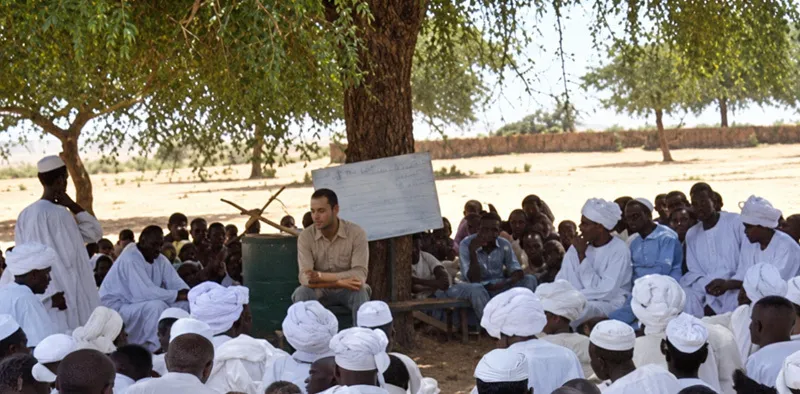
Church planting movements, also known as disciple-making movements, are increasingly being examined for their potential to revitalize Western congregations. Proponents argue that these movements prioritize intensive discipleship and evangelism, challenging traditional church structures that may inadvertently foster a domesticated form of faith. By focusing on small, committed groups, these movements aim to cultivate fervent believers who are actively engaged in making other disciples.
Researcher Rodger Shull defines these movements by their exponential growth within a local area over a short timeframe. While such movements have historically seen significant expansion in the Majority World, Shull notes that he has identified hundreds of networks in the United States that meet his criteria, which includes at least 1,000 baptisms. Despite the challenges posed by Western lifestyles, such as geographic dispersion and busy schedules, advocates like author Emanuel Prinz suggest that the principles of these movements offer a necessary framework for addressing the perceived limitations of conventional church models.