Reflecting on the Global Impact Twenty-Five Years After September 11
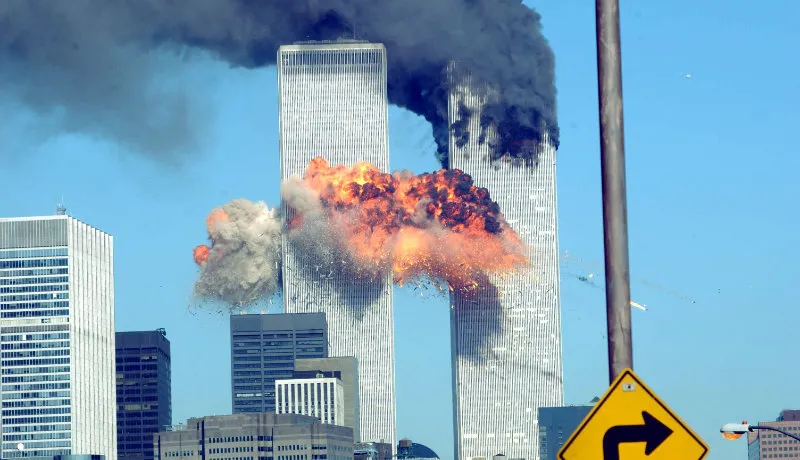
As the world marks the twenty-fifth anniversary of the September 11, 2001, terrorist attacks, observers are reflecting on the geopolitical consequences and the media's role in shaping public perception. The attacks, which resulted in the deaths of nearly 3,000 people, triggered immediate and long-term shifts in international relations and military strategy.
Reflecting on the aftermath, some analysts argue that terrorist organizations typically seek to provoke overreactions from targeted nations. In the case of the United States, early strategies focused on pressuring the Afghan Taliban to surrender Osama bin Laden. While initial diplomatic efforts showed promise, the administration eventually shifted toward large-scale military intervention. This decision led to a twenty-year presence in Afghanistan, which supporters credit with making a significant difference, while critics contend that the initial military response was an overreaction that missed opportunities for more patient diplomatic solutions.