Reflecting on the Importance of Historical Memory and Moral Clarity
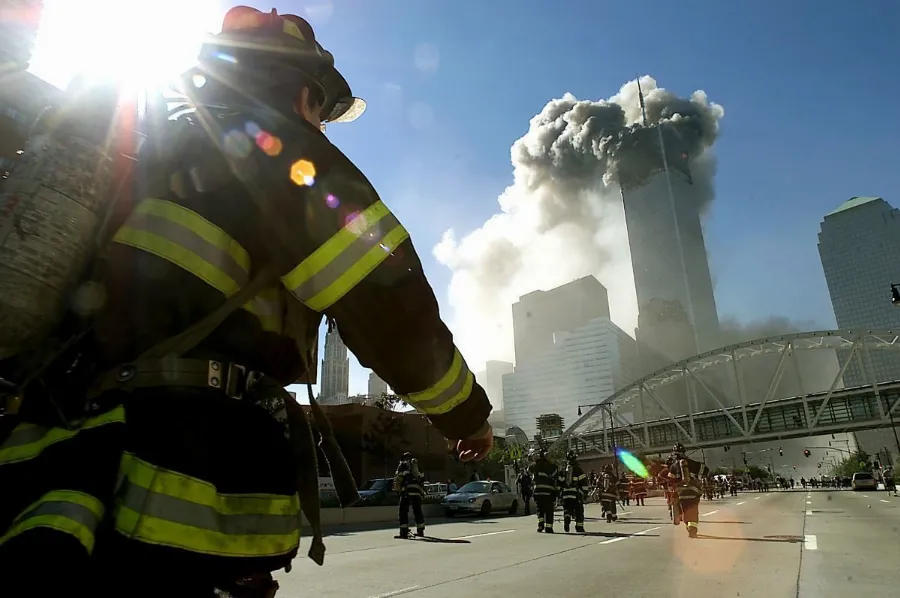
In a recent commentary, the author explores the fragility of collective memory, using the annual observance of the September 11, 2001, terrorist attacks as a primary illustration. The author argues that efforts to sanitize historical accounts—such as omitting the names of perpetrators or the ideologies behind specific acts of violence—threaten to erode the moral clarity necessary to understand past tragedies. By referencing the work of figures like Elie Wiesel, the author draws a parallel between the fading memory of 9/11 and the resurgence of antisemitism in the post-World War II era.
The author emphasizes that maintaining an accurate historical record is a moral imperative. Citing data from the Anti-Defamation League regarding antisemitic incidents in the United States, the piece warns that when society fails to remember the specific details of historical atrocities, it becomes increasingly vulnerable to repeating them. The author concludes by commending those who advocate for preserving the truth, suggesting that a commitment to historical accuracy is essential for upholding justice and preventing the normalization of hatred.