Baptist World Aid Report Finds Slow Progress in Fashion Industry Ethics
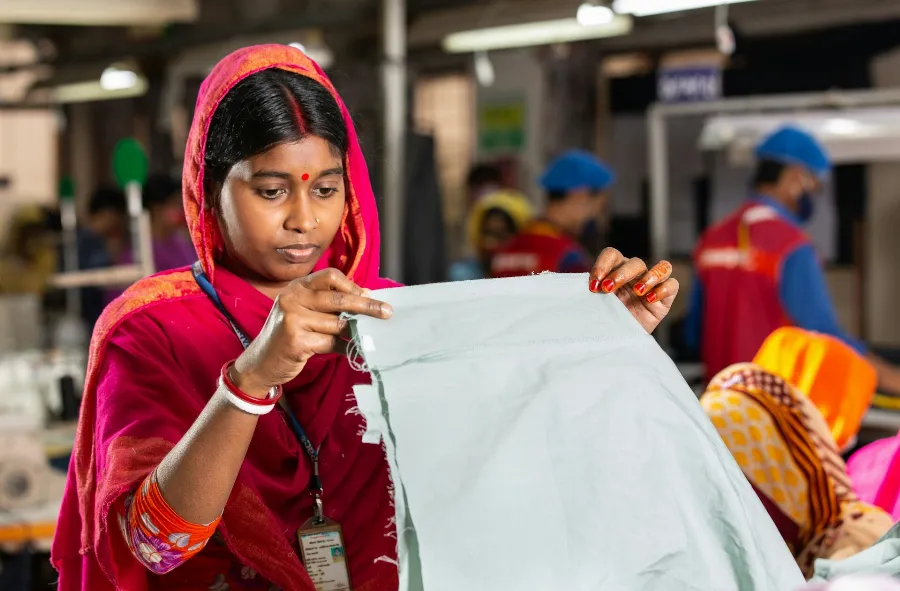
A new report from Baptist World Aid Australia reveals a significant disparity between the public commitments of global fashion brands and the actual conditions of their garment workers. The 2026 Ethical Fashion Report, which evaluated 138 companies, found that 87 percent of assessed brands could not verify that their employees were paid a living wage. While 93 percent of companies maintain formal policies regarding sustainability and labor rights, the industry's average score improved by only 0.2 points since 2024, reaching 31.5 out of 100.
The findings indicate that systemic issues persist, particularly regarding worker empowerment. Although 71 percent of companies comply with modern slavery disclosure requirements, only 9 percent demonstrated active collective bargaining or union representation in their final-stage facilities. Environmental progress also remains limited, as half of the companies lack targets for reducing supply chain emissions, and the increased use of sustainable fibers is being offset by a rise in petroleum-based material production.
Melissa Lipsett, CEO of Baptist World Aid Australia, emphasized that corporate policies must translate into tangible improvements for workers, noting that every individual possesses inherent worth. The organization encourages consumers to consider the human and environmental impact of their purchasing decisions to advocate for greater corporate accountability.