Archaeologists identify potential remains of Westminster Abbey abbot
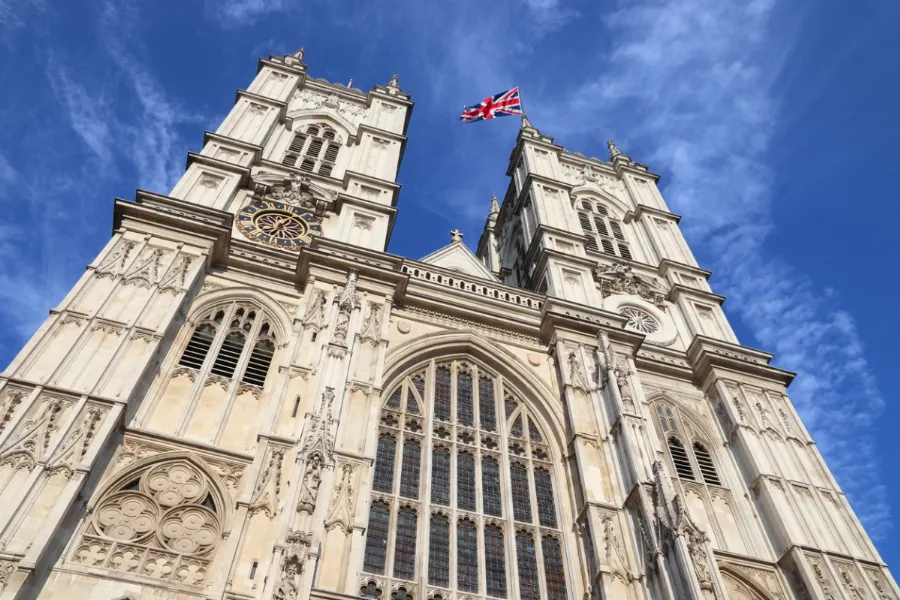
Archaeologists investigating a 4th-century Roman sarcophagus located in Westminster Abbey have concluded that the skeleton inside likely belongs to an 11th-century abbot rather than the Roman official originally named on the stone. The sarcophagus, which was first discovered in 1820, features a 4th-century inscription to Valerius Amandinus but also displays an Anglo-Saxon style cross on its lid.
Professor Warwick Rodwell, a consultant archaeologist at the Abbey, suggests the remains date to the late 10th or early 11th century based on physical analysis of the skeleton, which belonged to a man aged 35 to 49. The presence of a white residue at the bottom of the sarcophagus indicates the body may have been treated with powdered lime, a practice often associated with high-ranking clergy of that era.
Based on these findings, researchers have narrowed the identity of the individual to two former abbots, Ælfwig or Wulfnoth. Rodwell favors the theory that the remains belong to Ælfwig, noting his long tenure and established history at the Abbey. The findings were recently published in the Journal of the British Archaeological Association.