Reflecting on the Purpose of Divine Hiddenness and Faith
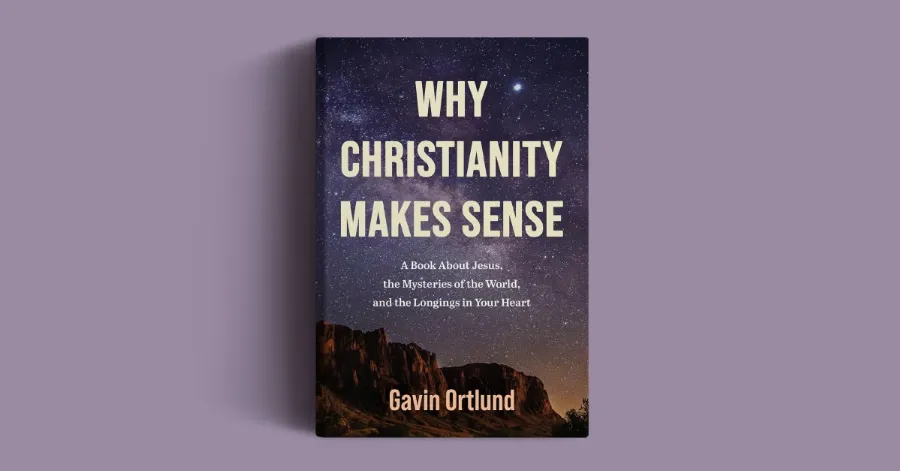
In a recent reflection, the author explores why God chooses to remain partially hidden rather than providing undeniable, overt evidence of His existence. Drawing on the philosophical insights of Blaise Pascal and Søren Kierkegaard, the piece argues that absolute clarity might actually hinder the human heart. The author suggests that while humans often desire proof, a complete unveiling could lead to intellectual acknowledgment without the necessary transformation of the will or the cultivation of humility.
Referencing Pascal, the author explains that the fundamental human struggle is rooted in sin rather than mere ignorance. Consequently, a partial revelation encourages a diligent search for God, which fosters a relationship built on humility rather than pride. Kierkegaard is cited to emphasize that faith requires risk and personal passion; if Christianity were reduced to objective, factual certainty, the transformative nature of faith would be lost. Through Kierkegaard’s parable of a king and a maiden, the author illustrates that God’s choice to remain partially concealed may be an expression of love, designed to invite a genuine, impassioned response from the believer.