The Role of Historical Evidence in Christian Faith
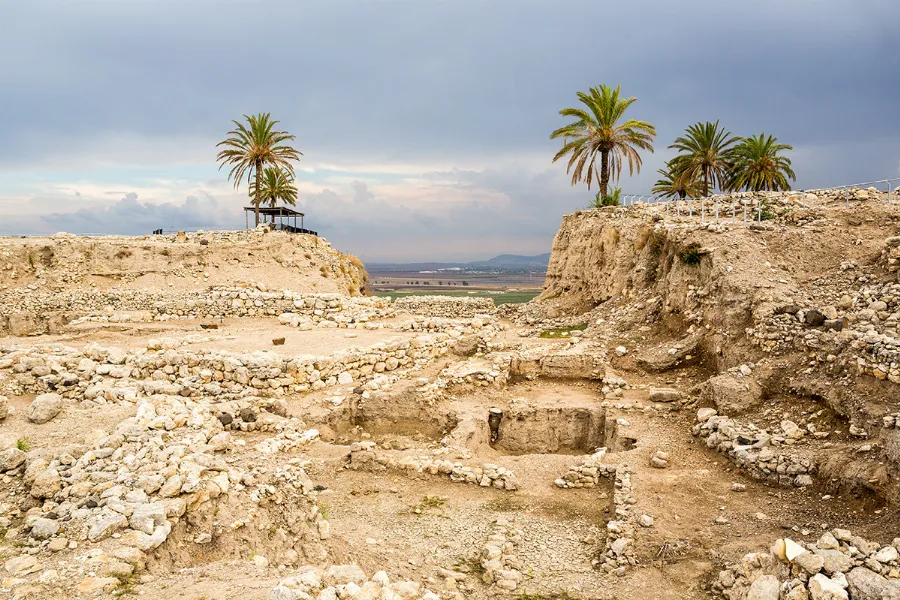
In a recent reflection, the author explores the unique nature of Christianity, arguing that it is a faith rooted in testable, historical events rather than abstract mythology. The author highlights the recent discovery of burned wooden beams in Jerusalem, which date to the Babylonian destruction of the city around 586 BC as recorded in 2 Kings 25. These archaeological findings are presented as evidence that aligns with the biblical narrative of judgment and restoration.
Drawing on various Old Testament passages, including 1 Samuel 7 and Psalms 77 and 105, the author emphasizes the biblical mandate for believers to remember God’s faithfulness through physical memorials. The author suggests that the preservation of historical sites serves as a testament to God's actions in history. By contrasting Christianity with other religious traditions, the author contends that the Christian faith is uniquely falsifiable, meaning its validity is tied to the historical accuracy of the events described in Scripture. Consequently, the author asserts that the reality of these biblical accounts is essential to the foundation of Christian belief.