Finding Political Wisdom in the Book of Esther
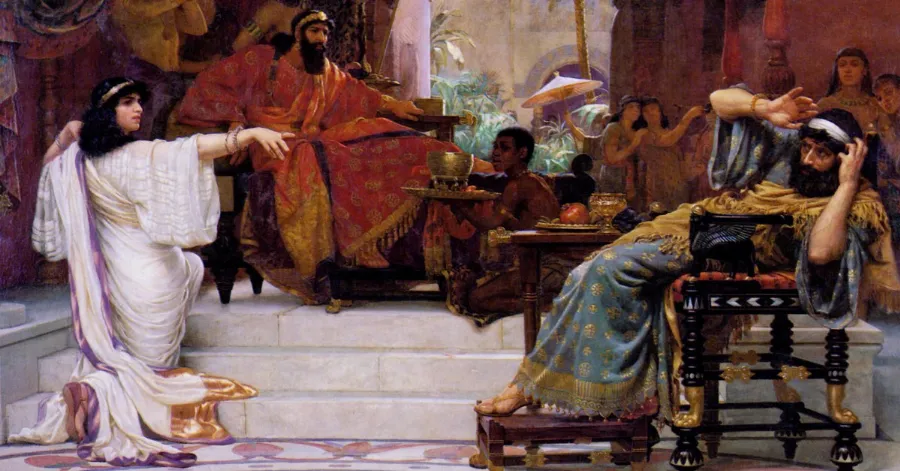
In a recent reflection on navigating modern political polarization, the author suggests that the Book of Esther offers a vital framework for Christians struggling between partisan certainty and paralyzing uncertainty. Citing high levels of public distrust and political skepticism in America, the author warns that Christians often fall into the trap of demonizing opponents or withdrawing from civic life altogether.
Drawing on the narrative of Esther, the author highlights how the book addresses complex political realities through various forms of engagement. The text points to Queen Vashti’s act of civil disobedience, Mordechai’s public protest at the king’s gate, and his simultaneous service to the regime by uncovering an assassination plot. These examples illustrate that political discipleship is not a monolithic path but involves discernment in a fallen world.
Ultimately, the author encourages believers to view the Book of Esther as a guide for political action that avoids both arrogance and apathy. By examining these biblical figures, the author argues that Christians can better navigate their own political responsibilities, even when faced with difficult choices and an increasingly fractured society.