The Dangers of Eclecticism in Modern Spiritual Life
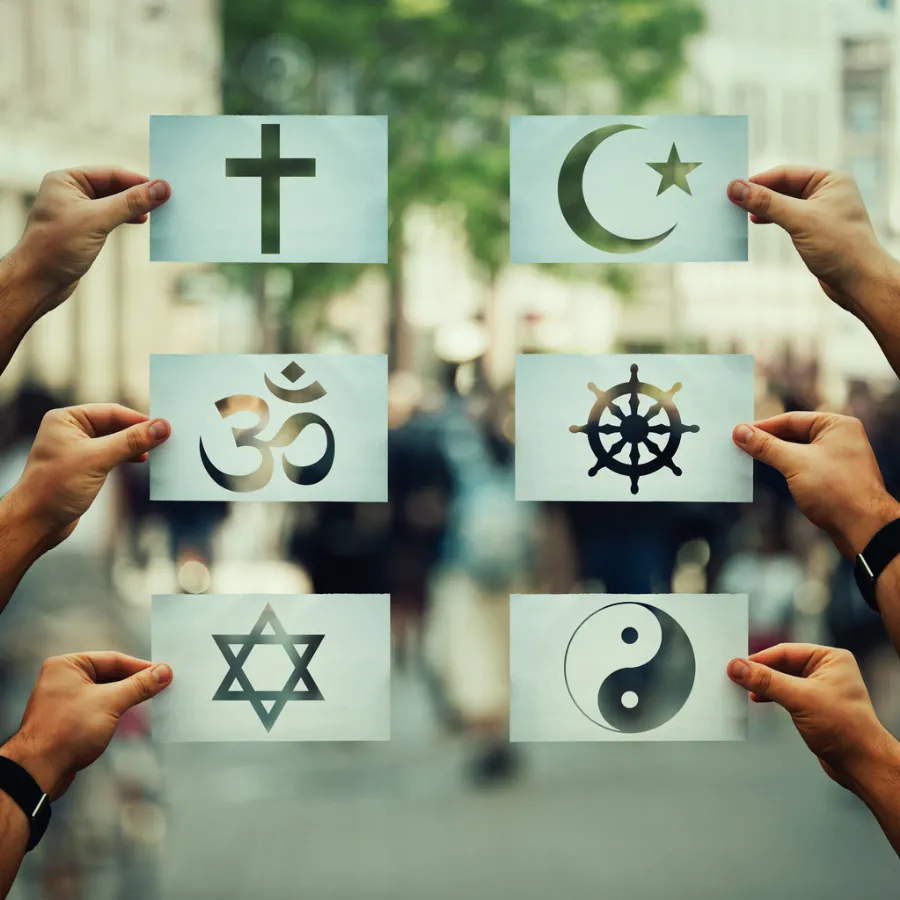
In a recent reflection, the author examines the modern tendency to assemble personal belief systems by combining insights from various traditions, such as Buddhism, Stoicism, psychology, and Christianity. The author identifies this practice as eclecticism, noting that while it may appear humble or open-minded, it inherently relies on the assumption that no single divine revelation holds ultimate authority. By treating Christ as merely one component among many, individuals risk creating a syncretistic framework that lacks a foundational truth.
The author argues that this approach shifts the seat of authority from divine revelation to the individual. Because no tradition is permitted to dominate, the person assembling these fragments becomes the final arbiter of truth, deciding which doctrines or theories are acceptable. The piece concludes by questioning the premise that truth is scattered across competing systems, suggesting that this method leaves the individual without an external authority to correct their judgment.