Data Analysis Examines Current Trends in American Religious Participation
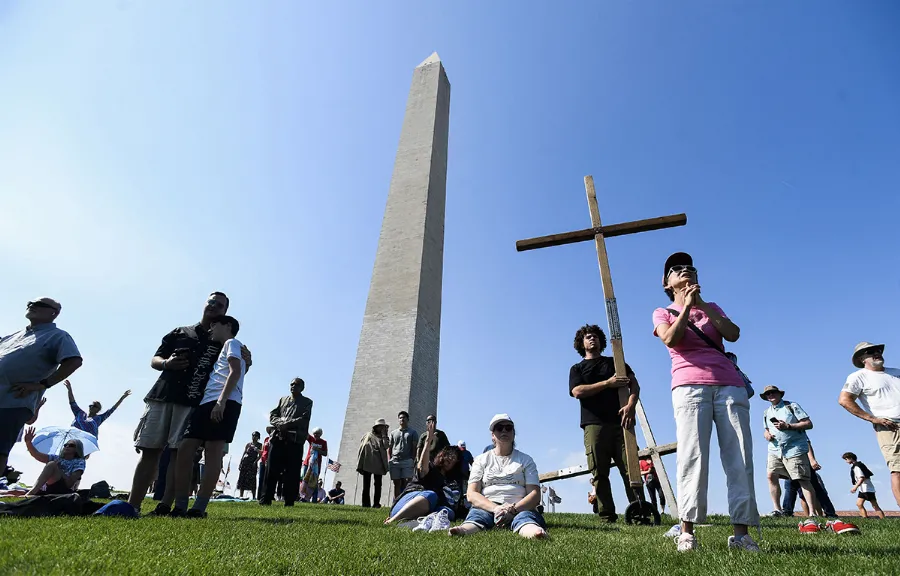
Recent data analysis suggests that while the United States is not experiencing a traditional religious revival, significant shifts in religious engagement have occurred since 2024. Researchers note that the long-term decline in the Christian share of the population has plateaued, with the religiously unaffiliated demographic seeing a slight decrease according to the Cooperative Election Study. These findings indicate a stabilization in religious affiliation following decades of secularization.
Demographic data highlights a notable increase in religious interest among young men. Gallup reports that the percentage of men aged 18 to 29 who consider religion very important rose from 28% to 42% between 2023 and 2025. Additionally, monthly church attendance for this group reached 40%, the highest level since 2012. Despite these trends, analysts caution that increased interest has not yet translated into widespread spiritual formation or the durable, population-level behavioral changes historically associated with a revival. The Hartford Institute’s EPIC project also reports the first growth in congregational size in 25 years, though experts emphasize that these metrics reflect changing participation patterns rather than a societal awakening.
Sources
Read also
- New Book Explores Intersection of Christian Vocation and Artificial Intelligence
- New Report Highlights Disconnect Between Christian Faith and Church Relevance
- Evangelical Press Association votes to rename organization Christian Communicators Network
- Maryland Appeals Court Rules Against Churches in UMC Property Dispute