Debate intensifies over Christian influence in public and political spheres
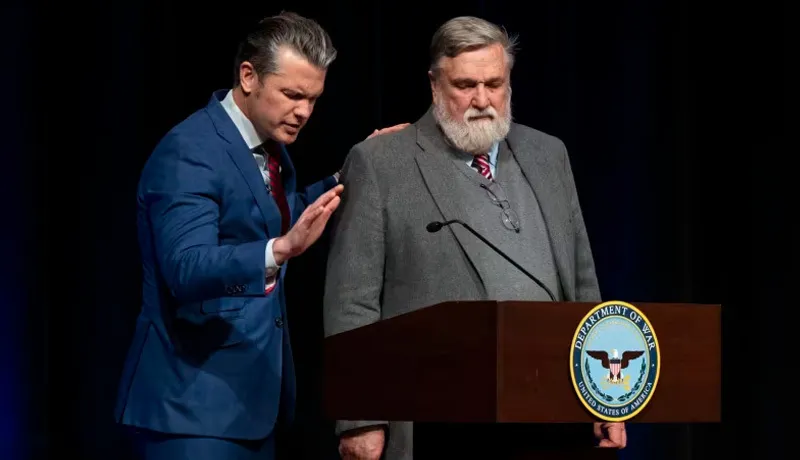
Recent discussions regarding the role of Christians in government have gained prominence following a February 2026 meeting between U.S. Secretary of War Pete Hegseth and Pastor Doug Wilson at the Pentagon. Wilson, known for his advocacy of Christian Nationalist theology, has become a notable figure in American political discourse, sparking broader conversations about the intersection of faith and public service.
Critics of dominion theology and the Seven Mountains mandate argue that professional competence in sectors such as government, education, and business should be prioritized over religious affiliation. These observers contend that effective leadership requires specific training, integrity, and diligence, suggesting that a well-prepared non-Christian may perform more effectively than a believer who lacks the necessary professional qualifications. This perspective emphasizes that societal roles function best when grounded in skill rather than exclusively religious mandates.
Conversely, proponents of these theological frameworks maintain that Christians are called to exert influence across all spheres of society, including media, arts, and politics. The ongoing debate reflects a long-standing tension within Christian thought regarding how believers should engage with secular institutions and whether public leadership necessitates a specific religious identity.