Rising use of AI beauty filters raises concerns over digital self-perception
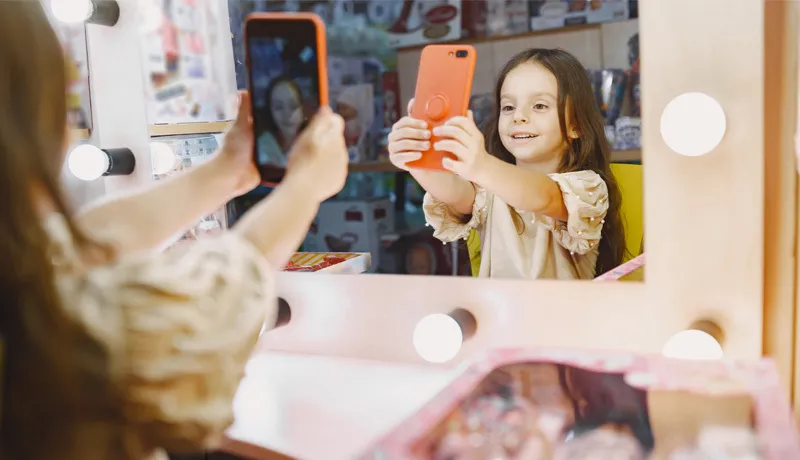
The widespread adoption of AI-powered beauty filters is prompting discussions regarding the impact of digital image manipulation on self-perception. Research conducted in the United States in 2021 indicated that 80% of girls under the age of 13 had utilized retouching apps to alter their appearance. Platforms such as FaceApp have reached over 200 million downloads, reflecting the normalization of these tools across social media.
These applications use computer vision to adjust facial features based on aesthetic parameters programmed by developers. Medical professionals have identified a trend known as “Snapchat dysmorphia,” where individuals seek cosmetic procedures to replicate their digitally filtered images in real life. Experts note that these filtered versions are constructed according to algorithmic rules rather than natural human features, leading to challenges when patients attempt to align their physical appearance with their digital representations.
Sources
Read also
- Virginia Voters Consider Constitutional Amendment Regarding Abortion Access
- Brazil Presidential Election Heads to Runoff Between Bolsonaro and Lula
- Pro-life organizations conduct voter outreach in U.S. midterm battleground states
- Mexican Principal Challenges Shamanic Content in Public School Curriculum