India's Supreme Court Delays Hearing on State Anti-Conversion Laws
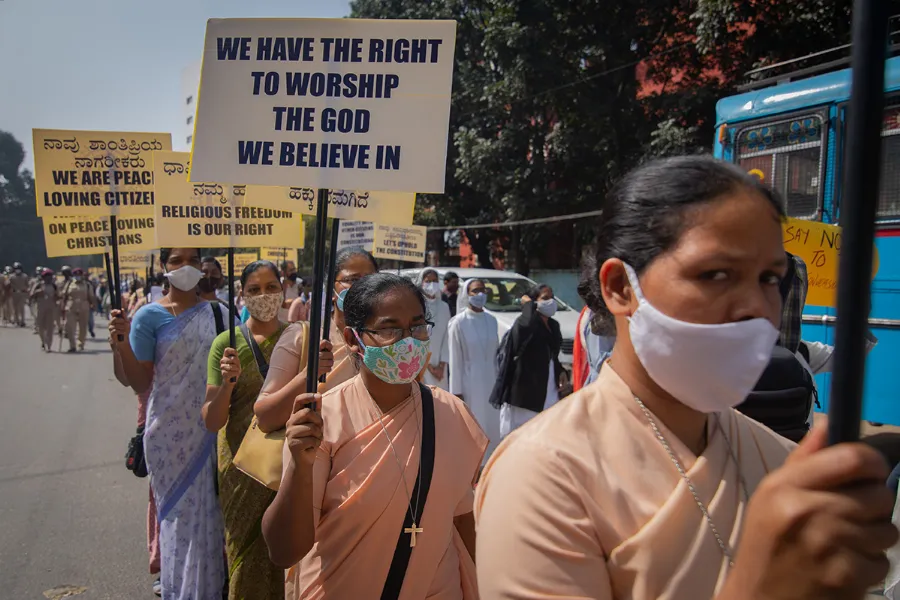
The Supreme Court of India has once again deferred a hearing regarding the constitutional validity of anti-conversion laws currently enforced in 13 states. Despite being listed on the court's calendar for August 12, 2026, the matter was not addressed. This legal challenge, initiated by the National Council of Churches in India, has faced multiple delays since it was first brought before the court in 2020.
These state-level statutes, often titled Freedom of Religion Acts, prohibit religious conversions achieved through force, allurement, or fraudulent means. Critics, including opposition political parties and activists, argue that the laws are frequently used to harass interfaith couples and religious minorities. The most recent addition to these statutes is the Maharashtra Freedom of Religion Act, which received presidential assent on July 31, 2026.
Legal observers note that the language within these laws, such as "allurement" and "undue influence," remains broadly defined. Concerns have been raised regarding provisions that allow police to initiate investigations without a formal complaint from an affected party and the reversal of the burden of proof, which places the onus on the accused to prove their innocence.